What needs attention
Belongings were moved during an earlier repair. The present location of contents may differ from where they became wet. Can the item inventory distinguish direct exposure from later storage near the affected area?
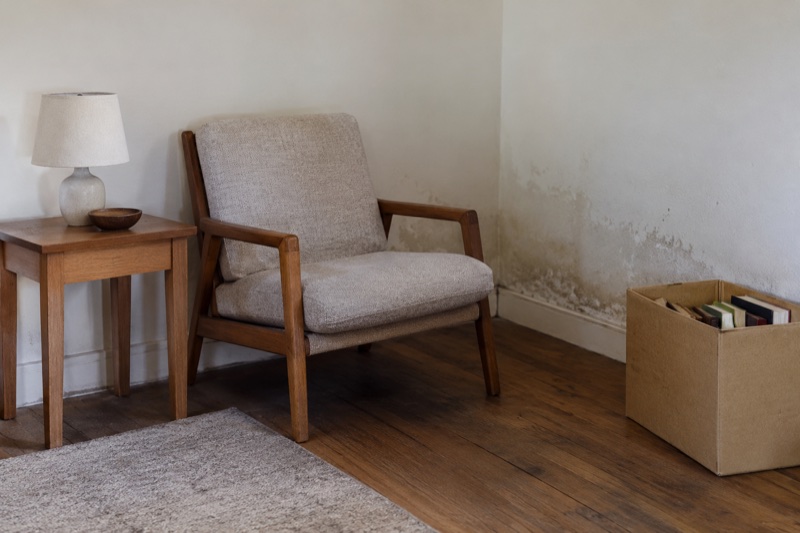
Current storage may not describe original exposure
Belongings moved during an earlier repair may now sit near the affected room without having shared the original water event. Use available item records to distinguish direct wetting, previous storage and the present visible condition. Location alone is not a useful basis for assigning every item the same cleaning or disposal decision.
Preserve item histories in the recommendation
Ask which belongings need further examination or specialist advice and which recommendation follows each condition. Owner approval should cover transport and irreversible disposal separately. If exposure history is uncertain, retain that uncertainty instead of treating a relocated item as either proven clean or automatically affected by its new surroundings.
Access for the affected space
If an affected room is part of a recently altered space, bring the relevant repair and remodeling records. An alteration timeline helps frame questions but does not prove what caused a new mark. For contents, record the owner of each item and identify any specialist handling that needs separate authorization.
Related cleanup information
Aqualane Shores service area; Contents cleaning and salvage; Compare the cleanup scope.
Sources and further reading
Your next step
Talk through your mold concern.
Have the address, affected room and any known water history ready.