What needs attention
The prior cleanup report lacks cavity details. A follow-up review needs the original scope and limitations rather than assumptions from a new finish. Which concealed sections were inspected or retained, and what remains unanswered?
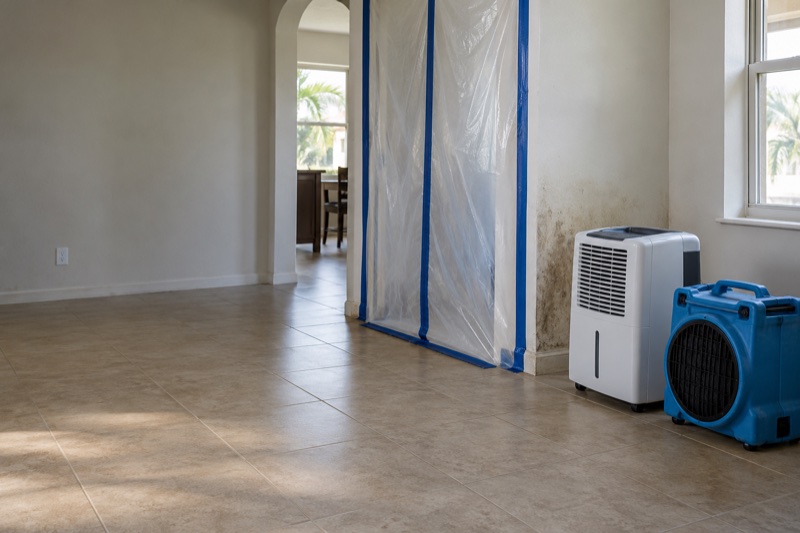
An earlier report may leave a cavity question open
If the prior record does not describe concealed sections, a new wall finish cannot supply the missing evidence. Request the original scope, approved changes and any retained-material observations. Lack of cavity detail should remain an information limit rather than being treated as confirmation that every hidden surface was assessed.
Define what a follow-up review can answer
Ask whether available records support the requested conclusion and what additional authorized access would be needed. The reviewer should distinguish present accessible findings from assumptions about earlier work. A follow-up handoff can document those limits clearly without promising to retrospectively verify surfaces that were never available for examination.
Access for the affected space
If an affected room is part of a recently altered space, bring the relevant repair and remodeling records. An alteration timeline helps frame questions but does not prove what caused a new mark. For completion review, define who receives the findings and which unfinished conditions must be reported.
Related cleanup information
Aqualane Shores service area; Post-cleanup verification; Compare the cleanup scope.
Sources and further reading
Your next step
Talk through your mold concern.
Have the address, affected room and any known water history ready.