What needs attention
A repaired wall has an uncertain concealed layer. The new finish can limit knowledge of what was retained during earlier work. What records exist, and what evidence would justify access beyond the visible repair?
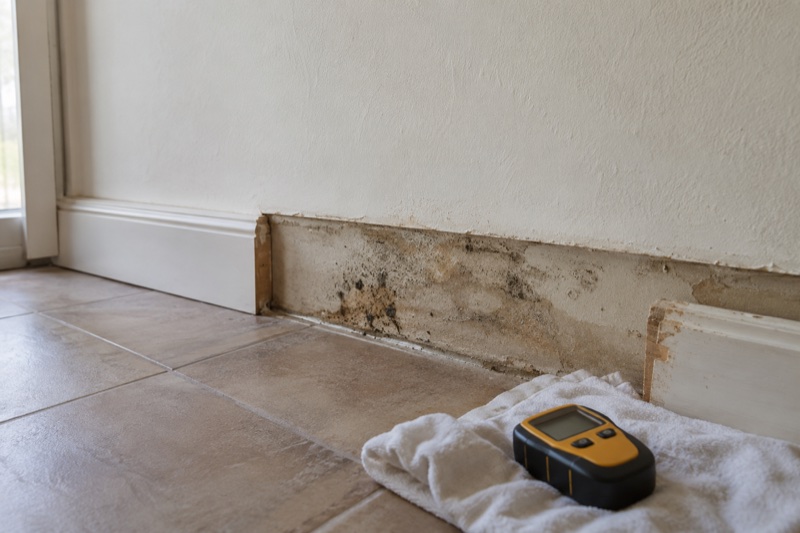
A new wall face does not document retained layers
Existing repair records may identify what was replaced behind a new finish and what was left in place. If those records are missing, say so. The visible repaired surface cannot establish the condition of every concealed layer, and an unknown backing should not automatically be classified for either removal or retention.
Ask what further access would establish
A proposal to open beyond the visible repair should name its evidence and investigative purpose. Agree who authorizes a changed removal boundary if new material is implicated. The restoration record should identify assessed and unassessed sections rather than allowing another finish to conceal the same unanswered question.
Access for the affected space
If an affected room is part of a recently altered space, bring the relevant repair and remodeling records. An alteration timeline helps frame questions but does not prove what caused a new mark. For material removal, agree the additional-work approval process and name the trade responsible for rebuilding.
Related cleanup information
Aqualane Shores service area; Mold-damaged material removal; Compare the cleanup scope.
Sources and further reading
Your next step
Talk through your mold concern.
Have the address, affected room and any known water history ready.