What needs attention
A meeting room cannot be closed indefinitely. The work plan should address business use without promising a fixed cleanup duration. Which activity can move elsewhere and what findings would change the proposed schedule?
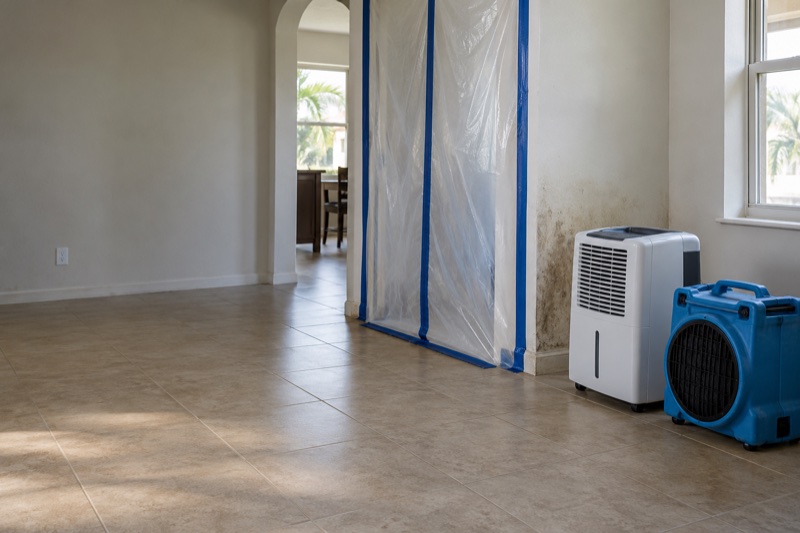
Meeting-room use is an operational constraint
Describe the meetings, stored equipment and access routes that depend on the affected room. A business preference for a short closure can shape planning without proving how long the material work will take. The assessed cleanup boundary and any source issue must remain separate from a requested reopening date.
Agree what finding changes the schedule
Ask which activities can move elsewhere and who authorizes that arrangement. Additional material or access findings may require a revised plan, so the agreement should explain how changes are communicated. Completion criteria should guide the room handoff rather than a fixed duration that does not account for the actual project.
Access for the affected space
If access requires a scheduled contact, arrange that person’s authority and the exact building or unit before the visit. Entry instructions should not be confused with permission to approve changes. For the business space, identify the person responsible for staff, customer and delivery access.
Related cleanup information
Grey Oaks service area; Commercial mold remediation; Compare the cleanup scope.
Sources and further reading
Your next step
Talk through your mold concern.
Have the address, affected room and any known water history ready.