What needs attention
A tenant sees growth inside a bathroom cabinet. The report should identify the cabinet and surrounding surfaces before anyone authorizes replacement. What accessible assessment can occur with permission, and who approves an opening behind the cabinet?
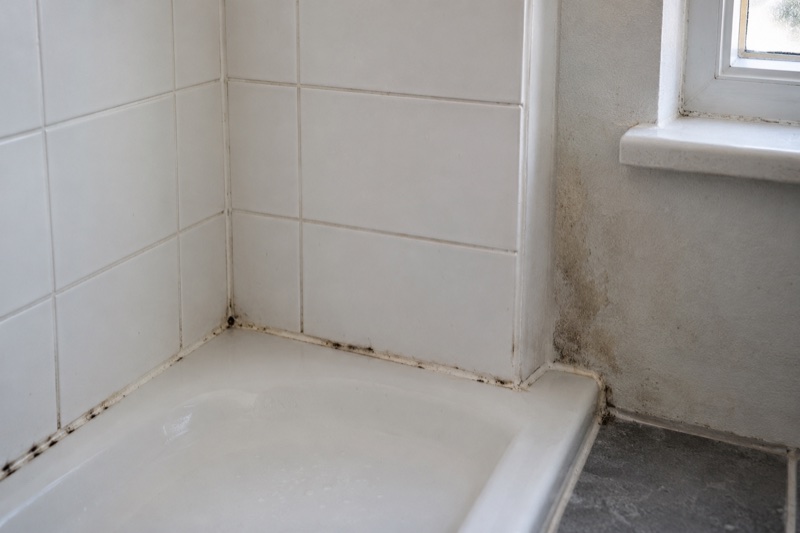
The cabinet and surrounding wall are separate materials
A tenant’s observation inside a bathroom cabinet should identify the affected surface and nearby wall condition. Do not turn it into automatic replacement of the entire cabinet or apartment finishes. Existing pictures can support an authorized assessment without emptying, scraping or moving suspect material to prepare the inquiry.
Ask who approves access behind the unit
The resident, owner and manager may hold different permissions. If the concealed side needs examination, the proposal should explain its purpose and identify the person who can approve it. Cabinet retention, wall cleanup and reinstatement should follow their own findings rather than a general instruction to remove everything near the mark.
Access for the affected space
For a leased or shared property, clarify authority over individual finishes and common components before opening an affected area. Keep the owner, resident and management contacts distinct. For the occupied residence, identify who can authorize room access and any change to retained finishes.
Related cleanup information
The Moorings service area; Residential mold cleanup; Compare the cleanup scope.
Sources and further reading
Your next step
Talk through your mold concern.
Have the address, affected room and any known water history ready.