What needs attention
The visible patch ends behind fitted cabinetry. A cabinet can limit access to the actual boundary of a wall concern. What can be assessed first, and what evidence would justify removing or altering the fitted unit?
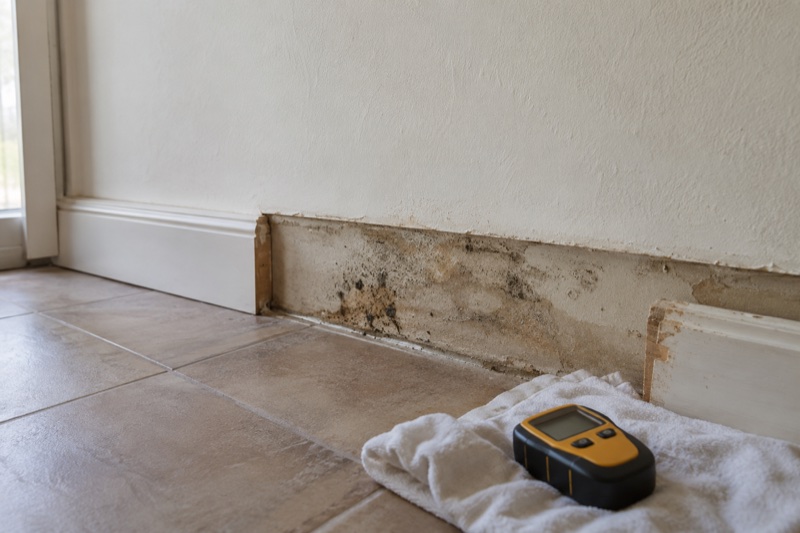
Fitted cabinetry can leave the boundary uncertain
Where a visible patch ends behind a fitted unit, the accessible wall and concealed backing need separate entries in the findings. Existing installation records may help describe the arrangement. Do not pull the cabinet away to investigate, and do not assume the hidden wall is affected merely because the exposed section is.
Tie cabinet alteration to an assessed need
The proposal should explain what additional access would establish and whether it justifies altering or removing the unit. Ask who approves that step and how cabinet and wall reinstatement are divided. An inaccessible backing should remain an explicit limit until assessed, rather than being silently classified for retention or disposal.
Access for the affected space
If an owner is away, identify an authorized local contact and agree how access, changes and completion records will be approved. A caretaker’s observation and authority to change the property are separate matters. For material removal, agree the additional-work approval process and name the trade responsible for rebuilding.
Related cleanup information
Pelican Bay service area; Mold-damaged material removal; Compare the cleanup scope.
Sources and further reading
Your next step
Talk through your mold concern.
Have the address, affected room and any known water history ready.