Start with the finding and its boundary
Look for named rooms, surfaces and components rather than a broad phrase such as “treat the home.” Ask which observations support the boundary and which areas could not be inspected.
If additional opening or removal may be needed, agree how findings will be recorded and who authorizes the changed work. This avoids confusing a preliminary estimate with an unlimited commitment.
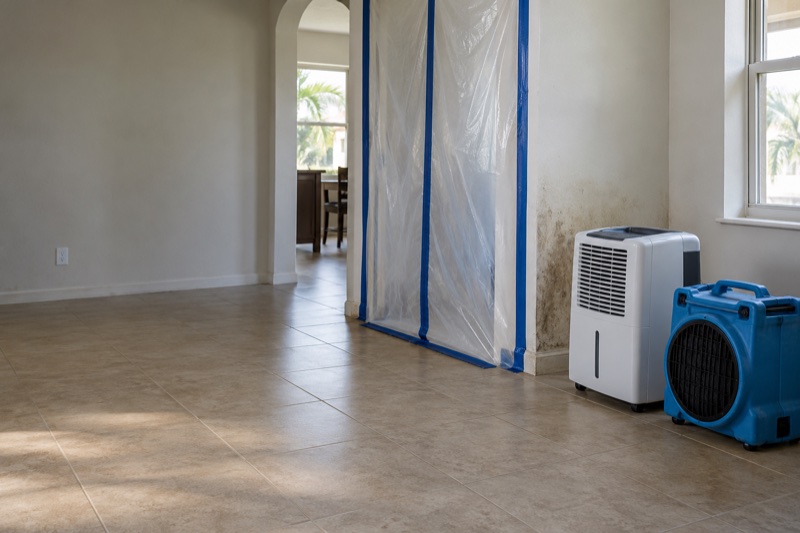
Compare materials rather than marketing methods
Ask which materials will be cleaned, retained, removed or replaced, and the reason for each recommendation. EPA notes that some porous materials cannot be completely cleaned and may need disposal.
A proposal using terms such as fogging, treatment or sealing should explain the intended result and its limits. Ask whether visible growth removal and moisture correction are included; a product name alone does not describe either.
Identify each practical handoff
Confirm responsibility for contents moving, access protection, disposal, leak or roof repair, cooling-system repair and reconstruction. Ask which are included in the written amount and which require another agreement.
The proposal should state what happens if an active water problem remains or an additional area is discovered. Agree the change process and the information you receive before additional work is authorized.
Define completion before starting
Ask which observations or assessment will determine that the specified work is finished, who performs it and what limitations will be reported. Request records of the corrected moisture source and treated or removed areas.
Do not turn “finished” into a promise that mold spores can never be present. EPA explains that eliminating all indoor spores is not possible. The practical question is whether the agreed problem was addressed and the conditions supporting growth were corrected.
Related services and decisions
Sources and further reading
Your next step
Talk through your mold concern.
Have the address, affected room and any known water history ready.