What needs attention
Growth returns at a remodeled shower seam. A recent surface repair does not explain whether adjacent materials remain damp. Which retained surface or underlying moisture condition should be evaluated before resealing is approved?
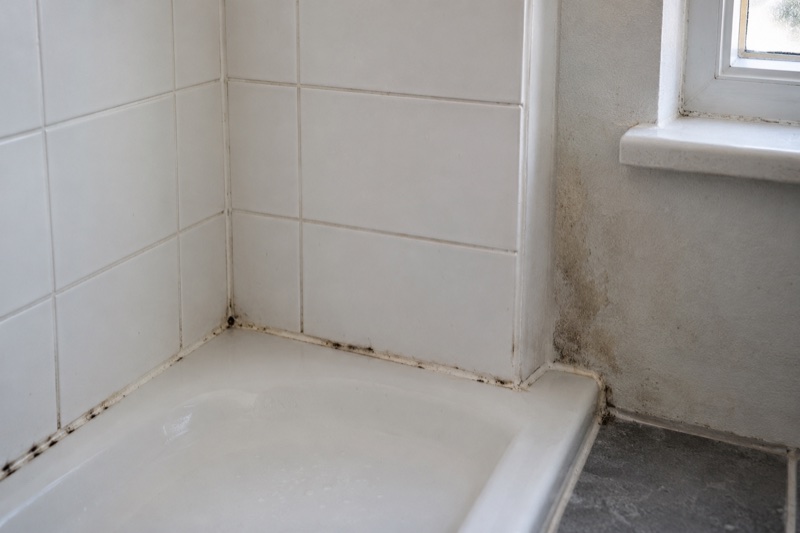
A repaired seam may leave another question unresolved
Growth returning at a remodeled shower seam needs the earlier repair description and present accessible observations. The recurrence does not by itself identify whether adjacent porous material remains affected or which water path is active. Resealing changes the visible joint, while moisture assessment and material retention are separate decisions.
Ask what supports another surface repair
The proposal should explain whether current evidence supports resealing, further investigation or a different material boundary. An unresolved dampness question should not disappear beneath another cosmetic treatment. Clarify who authorizes any concealed access and reinstatement before a recurring seam concern becomes a general bathroom-removal instruction.
Access for the affected space
If an affected room is part of a recently altered space, bring the relevant repair and remodeling records. An alteration timeline helps frame questions but does not prove what caused a new mark. For the occupied residence, identify who can authorize room access and any change to retained finishes.
Related cleanup information
Aqualane Shores service area; Residential mold cleanup; Compare the cleanup scope.
Sources and further reading
Your next step
Talk through your mold concern.
Have the address, affected room and any known water history ready.