What needs attention
An odor appears only when cooling starts. A timing pattern is useful, but does not demonstrate contamination throughout a system. Which accessible components should be evaluated before a duct-cleaning scope is proposed?
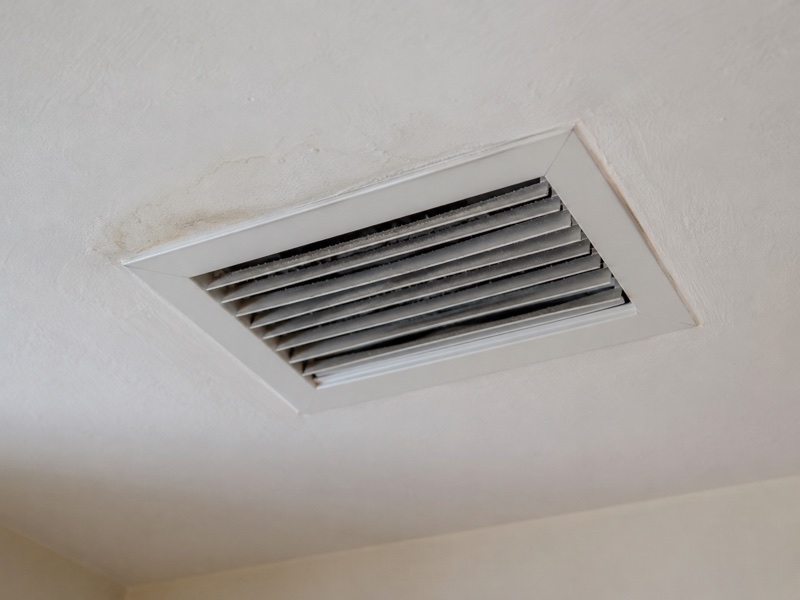
Cooling-start timing is a clue rather than system proof
Record the ordinary operating sequence when an odor is noticed, without repeatedly running equipment to reproduce it. That pattern helps frame a component inquiry but does not demonstrate growth throughout the cooling system. The assessment needs the actual accessible surfaces and evidence behind any claimed system condition.
Ask which component explains the proposal
The recipient should distinguish inspected findings from inaccessible duct sections and any unresolved moisture question. A general duct-cleaning scope needs justification beyond startup timing. Clarify who examines the implicated component and who addresses the condition allowing moisture, instead of assuming one cleaning instruction resolves every mechanical concern.
Access for the affected space
If an owner is away, identify an authorized local contact and agree how access, changes and completion records will be approved. A caretaker’s observation and authority to change the property are separate matters. For the cooling system, identify the actual unit and the person responsible for mechanical access and repair.
Related cleanup information
Pelican Bay service area; HVAC mold cleanup; Compare the cleanup scope.
Sources and further reading
Your next step
Talk through your mold concern.
Have the address, affected room and any known water history ready.