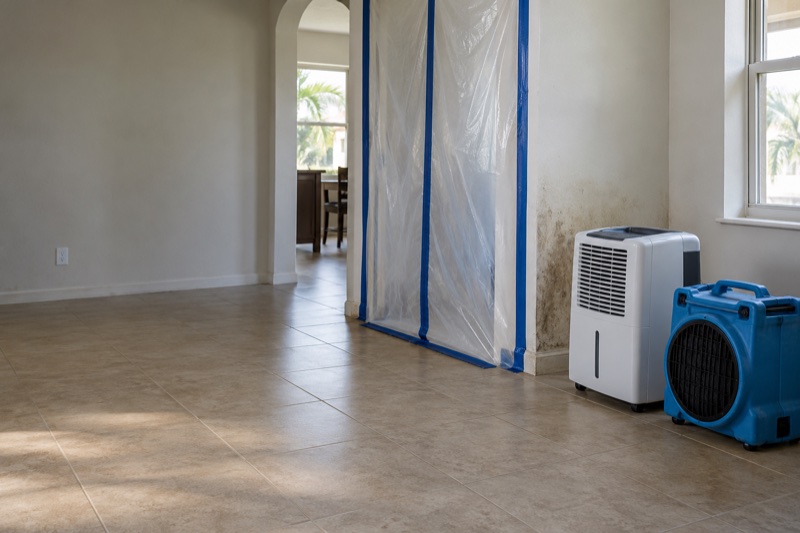
Identify the affected use of the space
Describe whether the concern is in an office, storage room, customer area or shared service space. Record which activities use the room and which entrances or facilities would be affected by proposed work.
Keep the observed growth or dampness separate from a claim that the whole premises is contaminated. Ask the assessment to identify inspected areas, inaccessible sections and the evidence behind the recommended boundary.
Coordinate the people with authority
Identify the tenant contact, building manager and owner who can authorize access, mechanical changes and removal of finishes. If the concern involves a common roof or ventilation component, agree who coordinates that portion.
A schedule should explain how deliveries, customers, staff and adjacent occupants remain separated from work as appropriate. Ask the responsible professional to define restrictions; an after-hours appointment alone does not settle building-use safety.
Protect business materials deliberately
List paper records, electronics, merchandise and furnishings that might be affected. Determine who may move them and how private information or valuable items will be controlled. Specialist restoration and disposal decisions may need separate authorization.
Ask which equipment, access route and work-area protection are proposed for the specific building. Do not assume ordinary cleaning staff can take over a material-removal or contaminated-water scope.
Define reopening and unfinished work
Agree what completion information the responsible person receives, who reviews it and what unresolved moisture condition or inaccessible area would prevent closing the project. Rebuilding and source repairs should have their own named responsibilities.
For a proposal centered on ventilation, use our HVAC guide. For the final assessment role and limits, read post-remediation verification rather than accepting an undefined “clearance” promise.
Keep building use in the cleanup scope
| Space or activity | Practical question | Decision to record |
|---|---|---|
| Staff and customers | Which route or room remains in use? | The restrictions and who communicates them. |
| Stock and confidential records | Who controls movement and handling? | The item inventory and authorized contact. |
| Shared mechanical components | Which business or manager has access? | Who handles assessment, repair and the final handoff. |
Related services and decisions
Sources and further reading
Your next step
Talk through your mold concern.
Have the address, affected room and any known water history ready.