What needs attention
A report names dampness but not the cause. The distinction between a finding and a diagnosis should remain clear in the next proposal. What evidence is required to choose the source-repair trade rather than guessing from location?
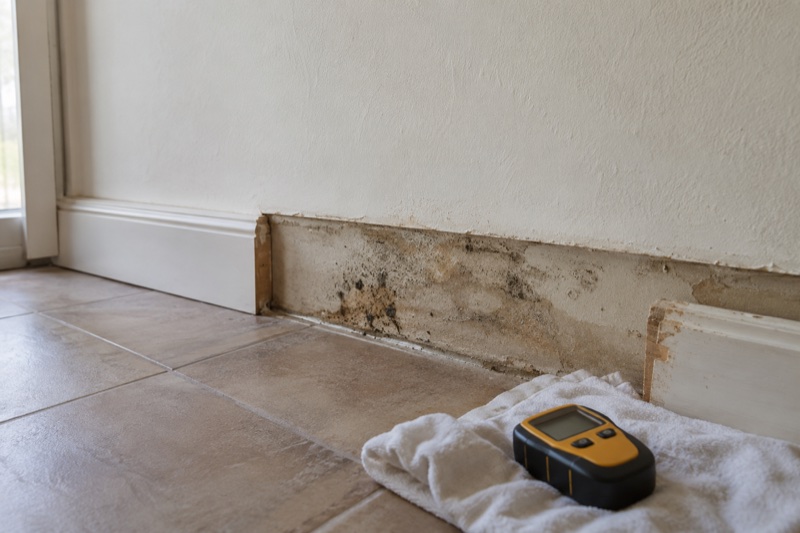
Dampness is a finding without a complete source explanation
A report identifying damp material can guide the next inquiry without naming the failed component. Keep the assessed location, date and limitations available. The nearest fixture, window or cooling part is a possible lead rather than a confirmed cause, and a drying result does not identify the original water path.
Ask what evidence selects the repair trade
The next proposal should explain whether the cause is established or still requires authorized investigation. If source confirmation is missing, distinguish that work from a promised correction by a particular trade. Material cleanup and finish restoration should follow their own findings rather than filling the diagnostic gap with assumptions from location.
Access for the affected space
Bring existing inspection or repair records for the affected space and name the person authorized to approve changes. Written records help distinguish earlier work from the present concern. For an investigation, provide existing source-repair records and explain which concealed area can be accessed with permission.
Related cleanup information
Vineyards service area; Moisture source identification; Compare the cleanup scope.
Sources and further reading
Your next step
Talk through your mold concern.
Have the address, affected room and any known water history ready.