What needs attention
Deciding whether a layered wall needs opening. Several layers of wall finish can make the visible face a poor description of what lies behind it. What finding justifies access, which layer is included and how will new findings change the authorized boundary?
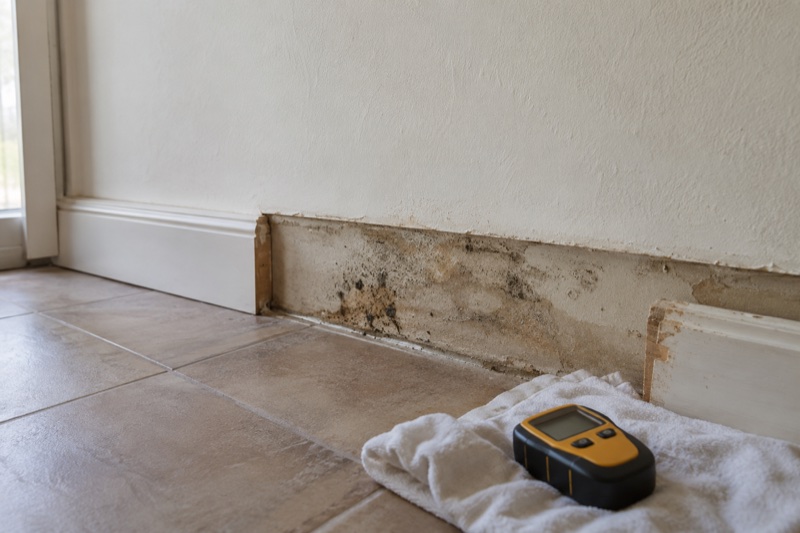
The visible layer is not the whole wall record
Several wall finishes can leave the condition behind the front layer uncertain. List known layers from existing renovation records instead of peeling them back for a photograph. A surface mark can justify a question without establishing that every concealed layer should be discarded or that intact finishes can all be retained.
Define what changes when a cavity is assessed
The removal proposal should name the first authorized boundary and the finding that would justify extending it. Identify who approves newly implicated material and who reinstates each finish. An uninspected layer should remain a limitation in the record until appropriate assessment, rather than becoming an assumed clean or damaged surface.
Access for the affected space
If the affected space includes original trim or a restored finish, bring existing alteration records and identify the elements you want protected. Preservation choices need the actual material assessment. For material removal, agree the additional-work approval process and name the trade responsible for rebuilding.
Related cleanup information
Old Naples service area; Mold-damaged material removal; Compare the cleanup scope.
Sources and further reading
Your next step
Talk through your mold concern.
Have the address, affected room and any known water history ready.