What needs attention
The completion report differs from the original scope. Changes should be traceable instead of leaving a mismatch between intended and completed work. Which approved changes and source-repair records explain the final boundary and its limitations?
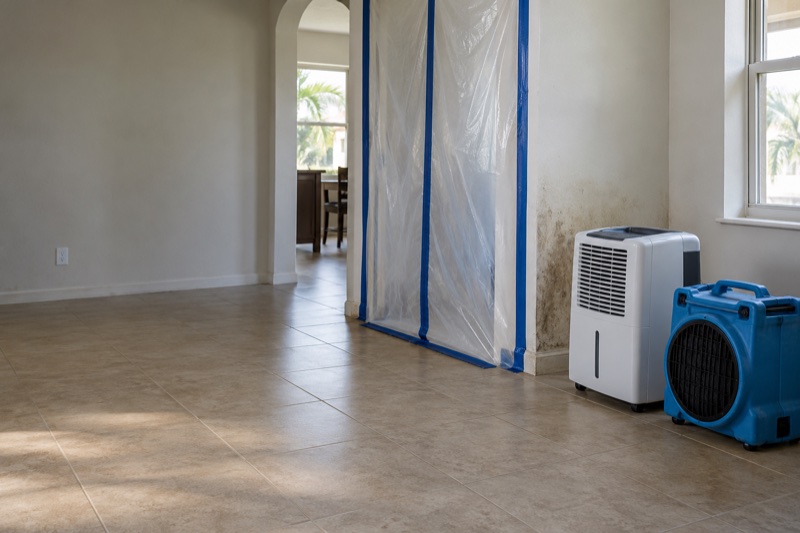
A changed final boundary needs an approval trail
If the completion report differs from the original cleanup scope, gather the approved changes and their findings. A mismatch can reflect authorized new work or an unresolved omission; the record should distinguish them. Source-repair information also needs to relate to the actual reviewed rooms and materials.
Make the comparison clear before the handoff
Ask the reviewer to identify what was completed, what remained outside the agreement and any inaccessible limitation. The next building or contents decision should receive that explanation. A final report can be useful without implying that its changed boundary retrospectively confirms every item in the initial proposal.
Access for the affected space
Bring existing inspection or repair records for the affected space and name the person authorized to approve changes. Written records help distinguish earlier work from the present concern. For completion review, define who receives the findings and which unfinished conditions must be reported.
Related cleanup information
Vineyards service area; Post-cleanup verification; Compare the cleanup scope.
Sources and further reading
Your next step
Talk through your mold concern.
Have the address, affected room and any known water history ready.